
How Should I Price My Private-Label Vitamins?
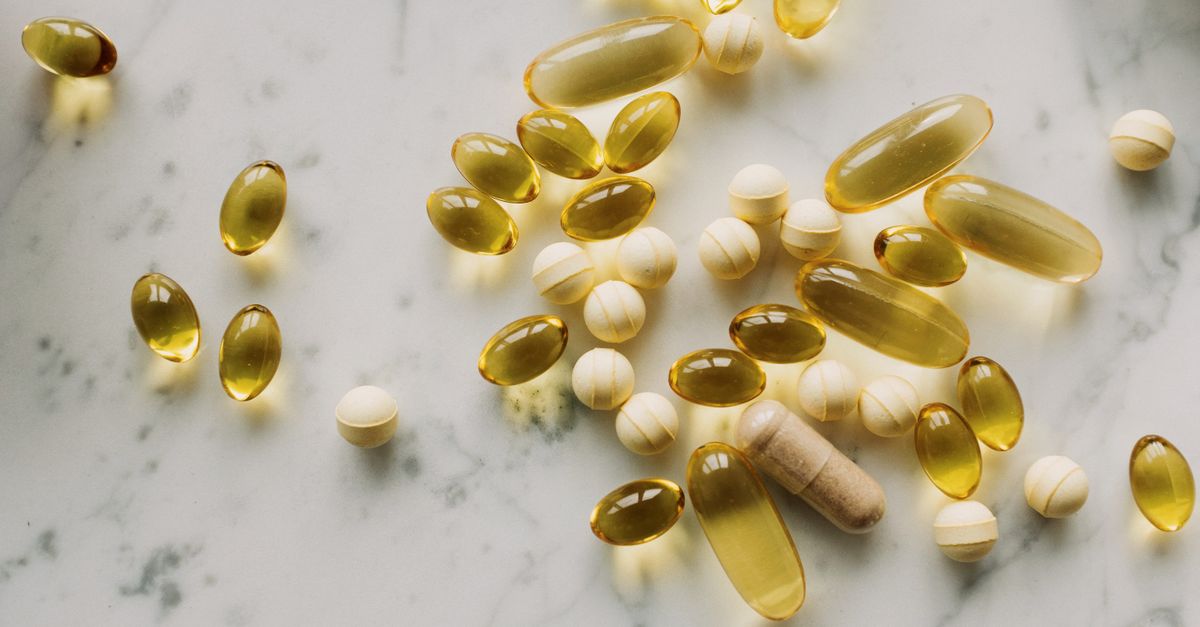
What does Quick Answer: Start With Total Landed Cost, Then Price for Margin and Positioning mean?
The fast version is simple: do not price from product cost alone. Price from the full cost of getting one order to one customer, then choose a retail price that leaves enough room for margin and fits the kind of brand you want to build.
That matters even more if you sell through a no-inventory model in your OpoShop store. Every order has to absorb product sourcing, packaging choices, auto-fulfillment costs, shipping, transaction fees, and the reality that vitamins, gummies, and powders do not all carry the same perceived value.
A weak pricing approach looks like this:
Weak: "The bottle costs $8, so I'll sell it for $14.99."
A stronger pricing approach looks like this:
Stronger: "The bottle costs $8, custom label and packaging add $1.50, shipping and fulfillment add $4, store and payment fees add $1, and I want enough margin left to run offers and still make money. That pushes the retail price into a very different range."
If you are still trying to anchor your numbers, it helps to look at margin expectations first.
What does pricing private-label vitamins actually mean?
Pricing private-label vitamins means setting a retail price that covers the whole business model, not just the supplement inside the container. The number on the product page has to pay for sourcing, branding, fulfillment, fees, and the customer experience you are promising.
For a seller using CJdropshipping and custom packaging, pricing includes more than the white-label item cost. You need to account for your logo and label setup, packaging choices, shipping method, payment processing, your OpoShop store costs, and the fact that buyers judge quality partly by presentation.
That last part gets missed all the time. A vitamin bottle with clean branding, a polished label, and a clear product page can support a higher price than the same formula presented like a generic commodity.
And yes, perceived value is real value in this category. Supplements sit close to trust. People put them in their bodies. Price sends a signal before the first capsule is ever taken.
Why does pricing matter so much for a no-inventory supplement brand?
Pricing matters so much because margin protects the whole no-inventory model. If the price is too low, every order feels good and still leaves the business with no room to breathe.
That problem shows up in a few places at once:
- Low pricing cuts into your ability to handle shipping and auto-fulfillment costs
- Low pricing makes paid traffic harder to support
- Low pricing can make the brand feel generic
- Low pricing leaves no room for bundles, discounts, or subscriptions
- Low pricing turns a growing store into a busy store that still struggles
For OpoShop merchants, this is not a small detail. If your store auto-places orders on CJ and syncs tracking back after fulfillment, the system saves time. But saved time does not fix thin margins.
The honest problem is this: no-inventory selling removes warehousing risk, but it does not remove math. You still need enough money left after each order to support refunds, promotions, content, and the next round of growth.
Price affects trust too. In supplements, a bottle priced far below the rest of the category can make shoppers wonder what is missing. Cheap does not always feel like a deal. Sometimes cheap feels risky.
How do you price your private-label vitamins step by step?
The cleanest way to price your private-label vitamins is to calculate full landed cost, choose your target margin, decide your market position, launch with a test price, and adjust from real store performance.
Here is what each step looks like.
1. List every cost
Start with the obvious cost, which is the product itself. Then add the less obvious costs: custom label setup, upgraded packaging, shipping, payment processing, chargebacks or returns allowance, and any app or transaction costs tied to the sale in your OpoShop store.
If you plan to use ads, include that too. A product that only works with free traffic and zero promotion is priced on a fantasy.
2. Calculate landed cost
Landed cost is what one delivered order really costs you. If a vitamin bottle costs $9, packaging adds $1.50, shipping adds $4, and fees add $1, your landed cost is $15.50 before you pay yourself a cent.
That number is your floor. Not your selling price. Your floor.
3. Set a target margin
Most sellers need enough room to cover surprises and still grow. If your landed cost is $15.50 and your retail price is $19.99, the spread is too thin for most supplement brands.
A healthier range depends on your niche and traffic model, but the principle stays the same: your margin has to protect the business, not just the transaction.
4. Pick your market position
Your price should match how the brand shows up. If the packaging is clean, the label looks polished, the niche is focused, and the offer feels thoughtful, the product can sit higher than a generic listing.
If the product page feels thin and the branding looks rushed, a high price will feel forced. Price and presentation have to agree.
5. Test a starting price
Start with a price you can explain without flinching. Then watch what happens in your OpoShop store: product page conversion, cart adds, bundle uptake, and how much margin remains after fulfillment.
6. Refine from performance
If conversion is weak, do not assume the answer is always a lower price. Sometimes the issue is the product page, the offer, the package quantity, or weak brand trust.
That is a big one. Sellers cut price first because it feels easy. Often the better fix is better positioning.
If you want a simpler setup for launching and testing supplement pricing without holding inventory, this is where the model matters.
Which pricing approach works best: budget, mid-market, or ?
The best pricing approach depends on your niche, packaging quality, product format, and customer promise. Most new supplement sellers do best in the middle, not at the bottom.
Here is the tradeoff clearly:
| Pricing approach | Best fit | What it signals | Main risk |
|---|---|---|---|
| Budget | Broad audience, simple packaging, entry-level offer | Affordable and accessible | Thin margins and weaker trust |
| Mid-market | Clean branding, solid packaging, focused niche | Reliable and credible | Needs a strong product page to stand out |
| Higher-end | Strong branding, polished packaging, targeted audience | Quality and confidence | Lower conversion if the brand story feels weak |
Budget pricing can work if your angle is simplicity and access. But budget pricing in supplements gets tricky fast because low price can look low trust.
Mid-market is often the safest starting point for OpoShop merchants using white-label products from CJdropshipping. It gives you room for custom packaging, bundles, and normal fulfillment costs without forcing the brand into a bargain-bin feel.
Higher-end pricing works best when the whole presentation supports it. That means the label, packaging, niche, offer structure, and product page all feel consistent.
You also asked about vitamins versus gummies versus powders. No, they should not all be priced the same way. Gummies often carry stronger giftable or lifestyle appeal. Powders often invite larger pack sizes and serving-based comparisons. Vitamins in capsules or tablets often live or die on trust, clarity, and routine use.
What pricing mistakes do new supplement sellers make?
New supplement sellers usually get in trouble by pricing too close to cost, copying competitors without context, and treating every format the same. Those mistakes look small at first, then get expensive.
Here are the most common ones:
- Ignoring hidden costs like packaging upgrades, payment fees, and shipping
- Copying a competitor's price without knowing their margins, traffic mix, or pack size
- Underpricing to get the first few sales
- Forgetting that gummies, powders, and vitamins carry different expectations
- Offering discounts too early and training buyers to wait
- Setting a high price with weak branding and thin product pages
The first-sales trap is worth slowing down on. A lot of new sellers think a low price is the safest move because it reduces friction. Sometimes it does. But it also sets the tone for the whole brand, and that tone is hard to raise later.
Bundle pricing can help here. Instead of dropping the single-unit price too far, offer a two-pack, a three-pack, or a routine-based bundle that lifts average order value and protects margin.
Subscriptions can help too, especially for repeat-use products. The price can stay healthy while the customer gets a small recurring discount that still works for your numbers.
What do we recommend for Nourivo merchants?
For Nourivo merchants, we recommend starting with a mid-market price anchored to full landed cost, then adjusting based on packaging quality, product format, and early conversion data from your OpoShop store. That approach usually gives the best balance between trust, margin, and room to test offers.
If you are importing white-label vitamins, gummies, and powders from CJdropshipping, do not treat the supplier cost as the whole story. Include CJ custom packaging, logo and label setup, shipping, and the auto-fulfillment model in your pricing from day one.
We would also keep the first offer clean. One hero product, one sensible single-unit price, and one bundle option usually beats a messy discount stack.
For first-time brand owners, the sweet spot is often this: avoid racing to the bottom, avoid pretending you are a luxury brand on day one, and build a price you can keep. A stable price is easier to support with ads, email, bundles, and subscriptions later.
Best answer: Start with the full delivered cost of one order, not the supplier price. Then choose a retail price that leaves room for shipping, fees, custom packaging, and future offers while still matching the trust level your brand presents. If you sell through OpoShop, build the price around a no-inventory, auto-fulfilled model from the start so your margin survives real orders, not just spreadsheets.
FAQs
What profit margin is normal for private-label vitamins?
A normal margin for private-label vitamins needs to leave room for fulfillment, fees, promotions, and repeatable growth. The exact number depends on your niche and traffic model, but if the margin disappears after shipping and discounts, the price is too low.
Should I price vitamins, gummies, and powders the same way?
No. Vitamins, gummies, and powders carry different buyer expectations, pack sizes, and perceived value. Gummies often support a more lifestyle-led price, while powders usually need closer attention to serving size and shipping weight.
Can I charge more if I use custom packaging and branding?
Yes, if the custom packaging and branding actually improve trust and presentation. Clean labels, better packaging, and a more polished product page can support a higher retail price because the brand feels more credible.
How do I price my first supplement product if I have no sales history?
Start from landed cost, choose a margin you can live with, and place the product in a clear market tier. Then test one starting price, watch conversion and margin together in your OpoShop store, and adjust from evidence instead of guessing.
Should I offer discounts or subscriptions on private-label supplements?
Yes, but only after the standard price already works. Discounts and subscriptions should increase conversion or repeat orders without wiping out the margin you need for fulfillment and growth.
Summary: Price for Sustainable Margin, Not Just a Cheap First Sale
Good pricing for private-label vitamins starts with the full delivered cost of each order and ends with a price that your brand can actually support. That means accounting for product cost, CJ packaging, shipping, fees, format differences, and the trust signal your presentation sends.
Cheap first sales are not the goal. A price that supports repeatable sales is the goal.
If you want to launch a supplement brand around a no-inventory, auto-fulfilled model and build your pricing on solid ground, start with the setup that matches that model.