
How Do I Start a Private-Label Supplement Brand Without Inventory?
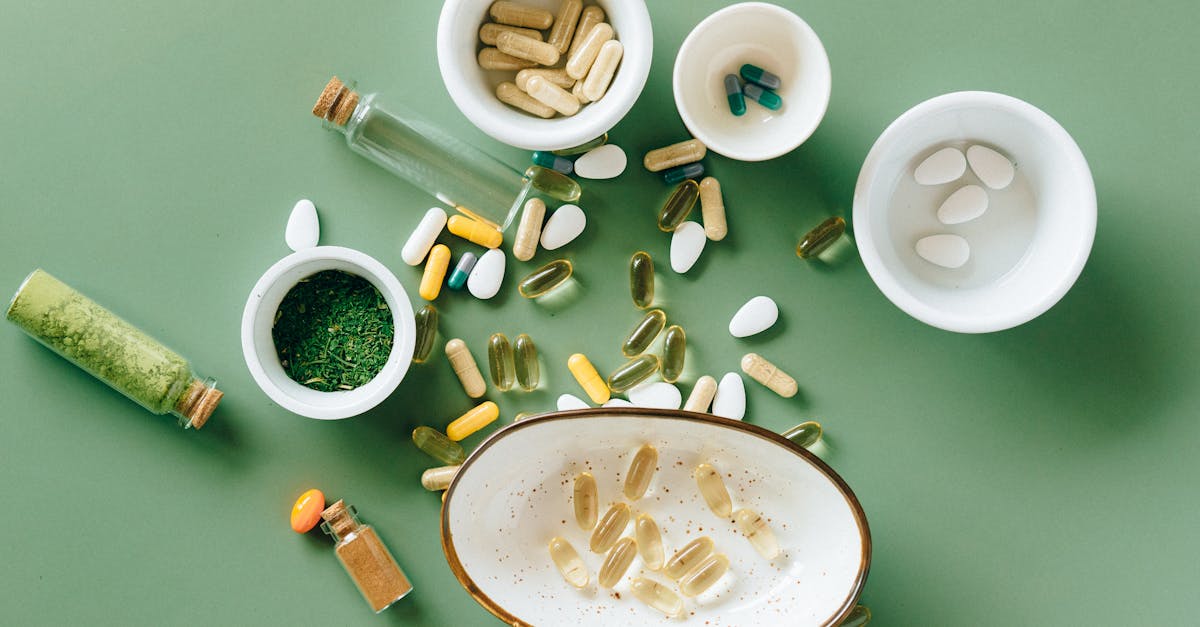
Yes, You Can Start a Private-Label Supplement Brand Without Inventory
Starting a private-label supplement brand without inventory means you sell products you do not stock yourself. A supplier holds the supplements, applies your branding, and ships each order after a customer checks out in your store.
That is the part many first-time founders miss. You do not need to build a manufacturing operation to start selling supplements online. You need a product line, a brand, a store, and a fulfillment setup that does not fall apart after the first few orders.
If you sell through OpoShop, the cleaner path is to connect a system that lets you import white-label supplements, set up custom labels, and send orders for fulfillment automatically instead of doing it by hand.
If you want a simpler path, start with a setup built for OpoShop merchants who want private-label supplements without stocking products first.
What Is a Private-Label Supplement Brand Without Inventory?
A private-label supplement brand without inventory is a supplement business where you sell products under your own brand name, but a supplier stores and ships the items for you. You are building the brand and the storefront. You are not buying pallets of product upfront.
White-label supplements are pre-made products a supplier already offers. Private label starts there, then adds your logo, label design, and packaging choices so the customer sees your brand, not a generic listing.
That means yes, you can sell supplements online without manufacturing them yourself. You are choosing from existing supplement formats, like vitamins, gummies, and powders, then branding and merchandising them as your own line.
Here is the clean version of how private-label supplement dropshipping works:
- You choose products from a supplier catalog
- You set up your brand assets
- You publish the products in your store
- A customer places an order
- The order goes to the supplier
- The supplier ships it
- Tracking updates in your store
For a merchant using OpoShop, that can feel a lot more manageable than trying to source from a manufacturer directly, negotiate minimum order quantities, and figure out storage before you even know what will sell.
Why Starting Without Inventory Matters for New Supplement Brands
Starting without inventory matters because it lowers the cost of being wrong. That is a big deal when you are still figuring out your niche, your offer, and which products people actually want to buy.
A lot of new founders assume they need to go all in on one idea. Bulk order. Store inventory. Hope demand shows up. That is usually where the stress starts. You spend money before you have proof.
An inventory-free model gives you room to test. You can try a sleep support angle, a fitness recovery angle, or a daily wellness angle without locking yourself into a garage full of stock.
It also keeps operations simpler. You do not need to pack boxes, print labels, or chase tracking numbers one by one. If your store runs on OpoShop, automation matters even more because it lets you focus on product pages, offers, and customer acquisition instead of order admin.
There is another reason this model works for beginners. You can learn the supplement business in motion. You get real orders, real customer questions, and real buying patterns without taking on the full weight of manufacturing and warehousing on day one.
How to Start a Private-Label Supplement Brand Without Inventory
The cleanest way to start is to choose a niche, pick white-label products, set up your branding, connect fulfillment, and launch in your store with a simple offer. The order matters because each step makes the next one easier.
1. Choose one supplement niche first
Your first niche should be narrow enough to make the brand feel clear. Daily wellness, hair-skin-nails support, hydration, recovery, or sleep are easier starting points than a store that tries to sell everything to everyone.
A focused niche also helps you choose between vitamins, gummies, and powders. Gummies often fit lifestyle and beauty angles. Powders often fit fitness, hydration, or greens-style routines. Capsules and vitamins often fit daily wellness and routine-based products.
2. Pick products you can actually explain
Start with a small line. Three products is usually easier to position than ten. A new founder does not need a giant catalog. A new founder needs a clear reason to buy.
Here is the difference:
Weak: "We sell wellness supplements for everyone." Stronger: "We help busy professionals build a simple evening routine with a sleep gummy, a magnesium capsule, and a calming drink powder."
The stronger version gives the customer a use case. That matters.
3. Set up your logo, labels, and packaging
Custom branding is where white-label starts to become your brand. In a CJ custom packaging flow, you usually upload your logo, choose or submit label artwork, confirm packaging details, and match those assets to the products you want to sell.
That answers a common question: how do you add your own branding to white-label supplements? You do it through the supplier's custom packaging and label setup process, then connect that branded product version to the listing in your store.
A merchant on OpoShop does not need to build that by hand from scratch. The goal is to make sure the brand assets, product selection, and fulfillment setup all connect cleanly before launch.
4. Connect the fulfillment flow
This is where the no-inventory model either works or gets messy. The right setup sends every paid order to the supplier automatically.
A practical example helps. Say an OpoShop merchant imports a white-label vitamin, a gummy, and a powder from CJdropshipping. The merchant adds custom branding through CJ's packaging flow, publishes the listings, and starts selling. When a customer places an order, the order is automatically placed on CJ, CJ fulfills it, tracking syncs back to the store, and the order is marked shipped.
That is how supplement orders get fulfilled automatically. No spreadsheets. No copy-pasting addresses. No late-night manual forwarding.
See how an inventory-free setup can work when supplement orders are sent to CJ and tracking updates back inside your store.
5. Launch product pages that feel real
Your listings need more than a product name and a photo. Customers want to know what the product is, who it is for, how it fits into a routine, what form it comes in, and what shows up at the door.
That also means planning your legal label content before launch. You do not want branding that looks polished on the front and confusing on the back.
Best Ways to Launch: Inventory-Free Private Label vs Holding Stock
The better launch model depends on your budget, speed, and tolerance for risk. Most first-time founders are better served by an inventory-free private-label model because it gives them room to test before they commit to bulk stock.
| Factor | Inventory-free private label | Holding stock upfront |
|---|---|---|
| Upfront cost | Lower, because you do not buy inventory first | Higher, because you buy products before sales |
| Speed to launch | Faster if supplier setup is ready | Slower if sourcing, shipping, and storage need setup |
| Branding control | Good, especially with custom labels and packaging | Usually stronger if you control larger production runs |
| Risk | Lower, because unsold stock is not sitting with you | Higher, because inventory can sit unsold |
| Fulfillment | Supplier ships each order | You or a warehouse ships orders |
| Testing new niches | Easier | Harder |
| Margins | Often tighter | Often better if volume is high |
| Operational workload | Lighter | Heavier |
That does not mean holding stock is wrong. It means holding stock usually makes more sense after you know which products sell, which offers convert, and which repeat-buy patterns are real.
For a new founder, testing first is usually the smarter move. For an established seller in OpoShop with proven demand, holding stock later can make sense if better margins justify the extra work.
Common Mistakes to Avoid When Launching an Inventory-Free Supplement Brand
The most common mistakes are generic branding, weak supplier vetting, fuzzy legal planning, and manual fulfillment. None of these look serious at first. All of them become expensive later.
Generic branding is the first trap. If the label, product line, and store copy all feel interchangeable, the brand will feel forgettable. A customer should understand who the product is for within a few seconds.
Weak supplier selection is the next problem. You need a supplier or fulfillment partner that can support product quality, branding options, order handling, and tracking flow. If a supplier cannot support custom packaging cleanly or cannot keep fulfillment organized, the brand suffers even if the product idea is good.
Legal planning matters too. You do not need to become a supplement lawyer, but you do need to know what belongs on a supplement label and what claims you should avoid. A supplement business needs clear labeling, ingredient information, and a plan for compliant product presentation.
Then there is the manual fulfillment trap. Some founders think they can patch it together at first. They can, for about five minutes. After that, manual order routing starts eating time and creating mistakes.
What We Recommend for OpoShop Merchants and New Supplement Founders
We recommend starting with a small white-label line, custom branding, and automatic fulfillment instead of buying bulk supplement inventory upfront. For most new founders, that is the cleaner way to test demand without tying up cash in stock.
A practical setup looks like this: choose a focused wellness niche, import white-label vitamins, gummies, and powders from CJdropshipping, add your logo and label assets through CJ's custom packaging flow, and connect the fulfillment process to your OpoShop store so orders route automatically after checkout.
That recommendation fits how new brands actually start. You need proof before you need pallets.
Best answer: If you are launching your first supplement brand in OpoShop, start narrow, brand clearly, and automate fulfillment from day one. White-label products plus custom packaging let you look like a real brand early, and auto-fulfillment keeps the operation manageable while you test what customers actually want.
FAQs
Can I start a supplement brand without buying inventory upfront?
Yes. You can start by selling white-label supplements under your own branding while the supplier stores and ships each order. That setup lets you launch without purchasing bulk inventory first.
What is the difference between white-label and private-label supplements?
White-label supplements are pre-made products a supplier already offers. Private-label supplements take those products and apply your brand name, label design, and packaging so the customer sees your brand.
How do custom labels and packaging work for supplement orders?
Custom labels and packaging usually work through the supplier's branding flow. You upload your logo and artwork, approve the packaging setup, and connect that branded product version to the listing in your store so future orders ship with your branding.
Do I need FDA approval to sell supplements online?
No, supplement sellers do not get FDA approval for each product before selling online. You still need to follow supplement labeling rules, avoid improper claims, and make sure the product presentation is lawful.
How do I automate supplement order fulfillment for my store?
You automate supplement order fulfillment by connecting your store to a supplier workflow that receives orders after checkout, fulfills them, and sends tracking back to the store. In an OpoShop store, that means the order can move from purchase to shipped status without manual forwarding.
What should be on a supplement label legally?
A supplement label should include the product identity, the supplement facts panel, ingredient details, net quantity, directions if needed, and the business name and address tied to the product. The exact label setup matters, so founders should confirm label requirements before launch.
Summary
You can start a private-label supplement brand without inventory by choosing white-label products, adding your own branding, listing them in your store, and letting a supplier fulfill each order automatically. That model gives new founders a lower-risk way to test vitamins, gummies, and powders before committing to bulk manufacturing or warehousing.
For most merchants on OpoShop, the better first move is simple: launch a focused line, keep the branding clear, and make sure order routing and tracking updates happen automatically. That keeps the brand lean while you learn what actually sells.
Ready to launch without holding stock? Start with a setup that helps you import white-label supplements, add your branding, and automate fulfillment inside your store.