What Is White-Label vs Private-Label Supplements?
What Are White-Label and Private-Label Supplements?
White-label and private-label supplements are closely related, which is why so many new sellers mix them up.
A white-label supplement is a ready-made vitamin, gummy, or powder that a supplier already has available. More than one seller can offer that same base product. The supplier handles the product itself, and you choose what to sell.
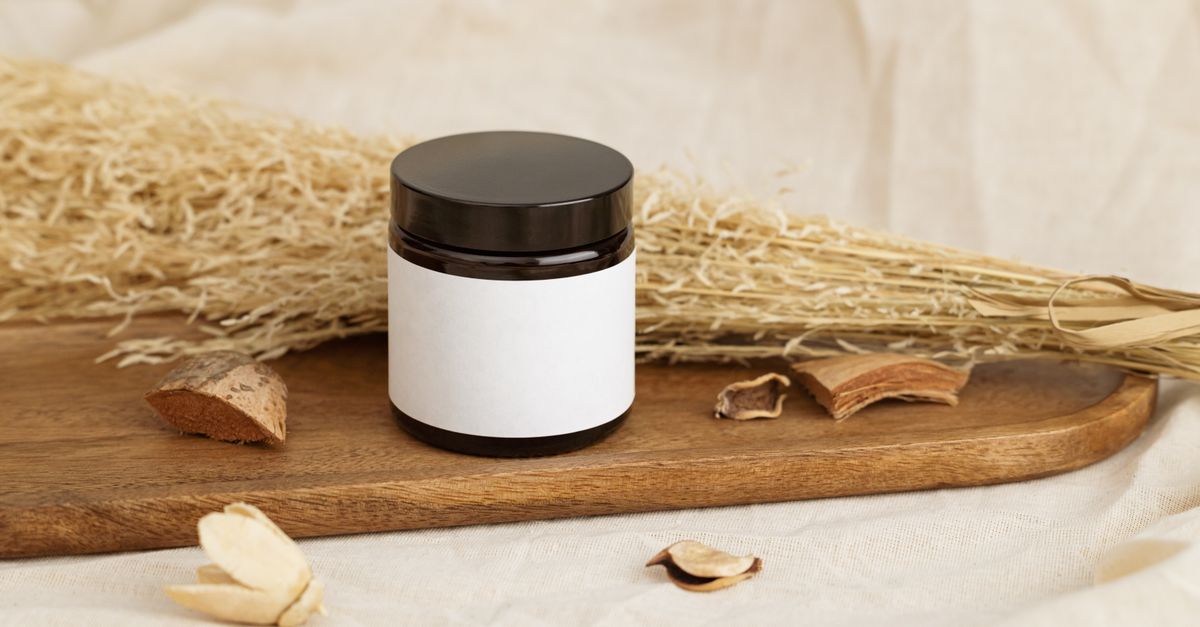
A private-label supplement brand is what happens when you sell that product under your own brand identity. Your customer sees your logo, your label, your product page, and your packaging choices. Your customer does not see a generic supplier listing.
That is the part a lot of beginners miss. Private-label does not always mean you invented a new formula from scratch. In this niche, private-label often means taking a pre-made white-label product and turning it into a branded offer.
If you sell on OpoShop, that distinction matters right away. A merchant can import white-label vitamins, gummies, and powders into an OpoShop store, then use custom packaging and branded labels to create a private-label customer experience.
Why Does the Difference Matter for Ecommerce Brands?
The difference matters because it changes how fast you can launch, how unique your brand feels, and how much work you need to manage.
White-label is usually the faster path. The products already exist. You are not dealing with manufacturing, product development, or warehouse decisions before you even make the first sale.
Private-label gives you more ownership on the customer-facing side. Your supplement store looks like a real brand instead of a reseller page. That matters for trust, especially in wellness, where buyers pay attention to labels, packaging, and consistency.
Here is the simple version:
- White-label helps you start fast
- Private-label helps you look branded
- You can use both together
That last point is the one that clears up most confusion. A new founder does not need to choose between speed and branding in a total all-or-nothing way. A lot of sellers start with white-label sourcing, then layer private-label branding on top.
For OpoShop merchants, that can be a very practical setup. You keep the supply side simple while building a storefront, product pages, and brand identity that feel like your own business.
If your goal is to test a wellness brand before spending money on inventory, this is usually the cleaner path.
If you want to see what that setup can look like in an OpoShop store, start with the workflow itself, not just the label terminology.
How to Launch a Supplement Brand Without Manufacturing It Yourself
You do not need a factory to launch a supplement brand. You need a supply source, a brand identity, and a fulfillment setup that does not create manual work every time an order comes in.
For a beginner, the process usually looks like this:
That workflow is what makes this model attractive for new supplement founders. You are not manufacturing. You are not boxing products in your garage. You are not buying a big inventory bet before you know what sells.
A simple example helps here. Say a merchant wants to launch a sleep support brand in an OpoShop store. The merchant imports a white-label gummy and a powder from CJdropshipping, adds a custom logo and label design, publishes branded product pages, and starts selling. When a customer buys, the order goes to CJ automatically, tracking comes back to the store, and the order updates as shipped.
That is white-label sourcing plus private-label branding in one system.
The product source and the brand presentation are not the same thing. Treating them like the same thing is where most confusion starts.
Here is what weak branding looks like versus stronger branding:
Weak: "Vitamin gummies for daily wellness." Stronger: "Daily wellness gummies under your brand name, with custom label design, branded packaging, and a product page built for your audience."
The first version sounds generic. The second version sounds like a business with a point of view.
White-Label vs Private-Label Supplements: Side-by-Side Comparison
White-label vs private-label supplements is really a question of source versus brand control.
| Factor | White-Label Supplements | Private-Label Supplements |
|---|---|---|
| Product source | Pre-made products from a supplier | Often the same pre-made products, sold under your brand |
| Branding control | Low to moderate | Moderate to high |
| Setup speed | Fast | Fast to moderate |
| Need to manufacture | No | No, unless you want a custom formula |
| Inventory requirement | Not always | Not always |
| Fulfillment | Usually supplier-based | Usually supplier-based, but branded for your store |
| Differentiation | Limited if left generic | Stronger if labels, packaging, and positioning are yours |
| Best fit | Fast testing and simple launch | Brand building without making products yourself |
For most new ecommerce sellers, the smartest read of this table is pretty straightforward. White-label is the supply shortcut. Private-label is the branding layer.
That is why a lot of supplement founders use both. They source ready-made products, then build a more polished customer experience around them in an OpoShop store.
What Mistakes Should You Avoid When Choosing Between White-Label and Private-Label?
Most mistakes come from assuming private-label means full manufacturing and white-label means no branding at all.
The first mistake is thinking you need to create a formula before you can start. You do not. A lot of supplement brands begin with pre-made products and focus on testing demand first.
The second mistake is confusing sourcing with presentation. Sourcing is where the product comes from. Presentation is how the customer experiences the brand. One supplier setup can support a much more branded storefront than beginners expect.
The third mistake is ignoring labeling and packaging requirements. If you want a private-label supplement brand, your logo and packaging setup need to be part of the plan from the start, not an afterthought after products are already live.
The fourth mistake is underestimating fulfillment. A supplement store feels simple until orders start coming in. If every order needs manual forwarding, tracking updates, and shipping follow-up, the store gets messy fast.
That is why automation matters for OpoShop merchants. If the order can move to the supplier automatically and tracking can sync back to your OpoShop store, you remove a lot of friction before it becomes a problem.
A good supplier setup should answer a few plain questions:
- Are the vitamins, gummies, and powders already available to import?
- Can the supplier support custom labels or packaging?
- Can orders be fulfilled without manual handling?
- Will tracking sync back to your store?
- Can you test the brand without buying stock first?
If you are comparing tools and suppliers, those questions will help more than vague promises ever will.
What Do We Recommend for New Supplement Entrepreneurs?
For most new supplement entrepreneurs, we recommend starting with white-label products that you can brand as your own private-label line.
That gives you speed without giving up the brand. You can test product demand, build your storefront, and learn what customers respond to before you put money into inventory or manufacturing.
This is usually the better fit for a beginner merchant who wants to validate a supplement idea without turning the first launch into a giant project. Start with products that already exist. Put real effort into branding, packaging, and positioning. Then expand once the store has traction.
For OpoShop merchants, Nourivo fits that middle ground well. You can import white-label supplements, add custom branding, and let fulfillment run in the background so the store behaves like a real supplement brand without requiring stock on hand.
If that is the path you want, the next step is seeing how the setup works inside your store.
Best answer: Start with pre-made supplements that a supplier already offers, then sell those products under your own brand with custom labels and packaging. That approach gives new founders the fastest path to a private-label supplement brand without manufacturing products or holding inventory.
FAQs About White-Label vs Private-Label Supplements
Can white-label supplements become private-label products?
Yes. A white-label supplement becomes a private-label product when you sell it under your own brand name, logo, label, and packaging. The formula can stay the same while the customer-facing brand becomes yours.
Is private-label more expensive than white-label supplements?
Yes, private-label usually costs more because branding, label setup, and custom packaging add extra work. The jump is often on the presentation side, not because you had to invent a new supplement.
Do I need inventory to sell private-label supplements online?
No. A private-label supplement brand can run without holding inventory if the supplier handles storage and fulfillment for each order. That model is a strong fit for new sellers who want to test demand first.
Can I use my own logo on white-label supplement products?
Yes, if the supplier supports custom labels or packaging. That is how many sellers turn a white-label product into a branded private-label offer.
Which model is faster to launch for a new ecommerce store?
White-label is faster to launch because the products are already made and ready to source. A blended model is often the sweet spot, where you use white-label supply and add private-label branding.
How do fulfillment and shipping work for a private-label supplement brand?
Fulfillment and shipping can be automated through the supplier. In a setup like Nourivo for OpoShop, customer orders are sent to CJ, tracking syncs back to the store, and the order is marked shipped without manual processing.
Summary: Which Model Makes Sense for Your Brand?
White-label makes sense if your first goal is speed. Private-label makes sense if your first goal is building a brand customers and trust.
For most new founders, the better answer is not picking one side forever. The better answer is using white-label products as the supply layer and private-label branding as the customer layer. That gives you a faster launch, a cleaner test, and a brand that feels like your own from day one.
Want the simplest path? Nourivo helps OpoShop merchants import white-label supplements, add custom branding, and automate fulfillment.